
Why Your Platform's Traffic Isn't Converting (And It's Not Your Funnel)
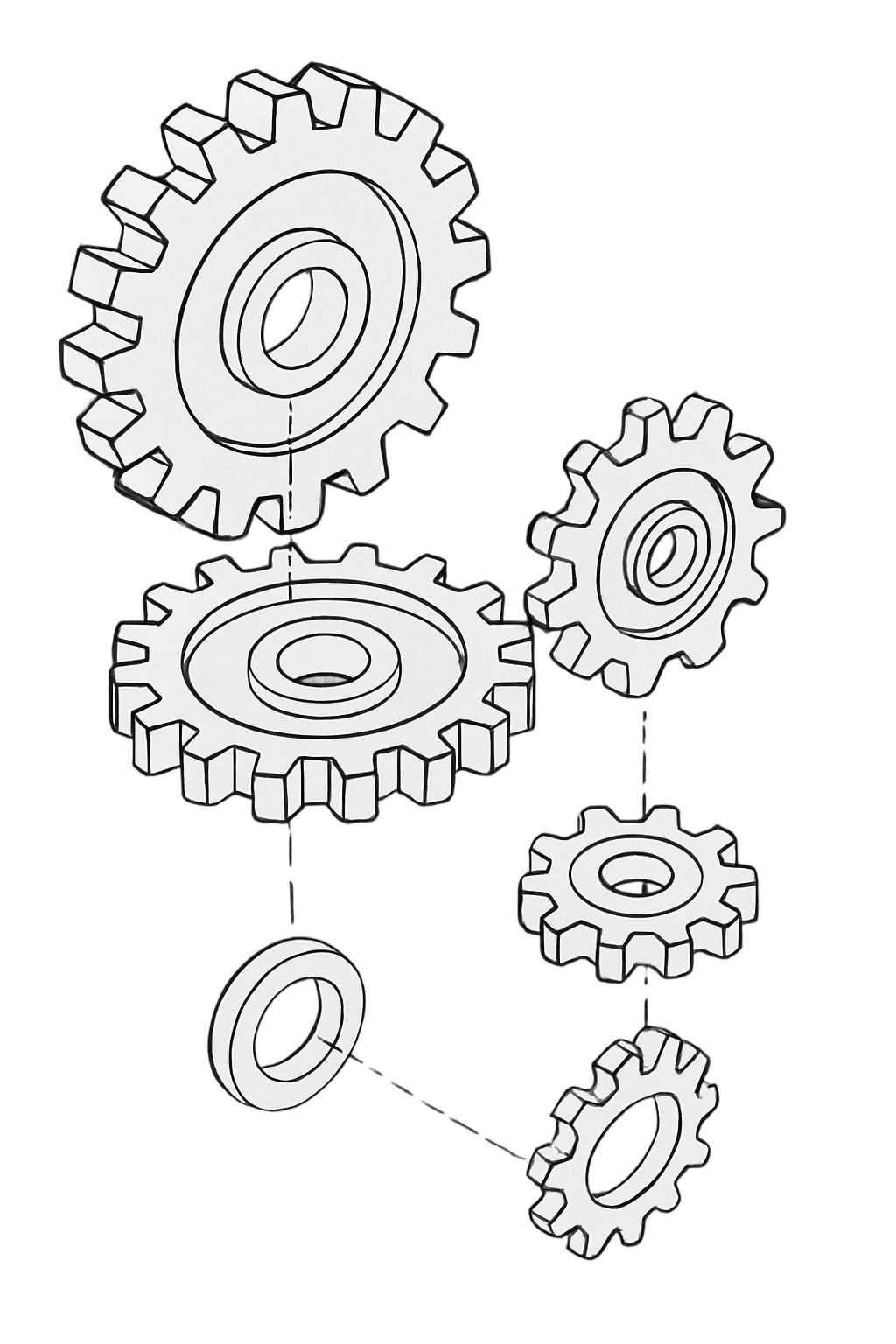
Embracing the "Less, But Better" Philosophy in Digital Product Design
In an era of digital clutter, the most profound statement a brand can make is one of restraint. As we look at the evolution of modern interfaces, the influence of industrial design legends like Dieter Rams and the early aesthetics of Apple and Braun have never been more relevant.
For design leaders today, the challenge isn't adding more features; it’s about refining the core experience until only the essential remains.
The Pillars of Functional Minimalism
To build a design system that stands the test of time, we must look beyond current trends and focus on timeless principles.
- Honesty in Utility: A product’s design should clearly state its purpose. If a button doesn't look like a button, or a navigation flow feels like a riddle, the design has failed its primary user.
- Neutrality and Restraint: Interfaces should be canvases for user content. By using neutral palettes and purposeful whitespace, we allow the user's data and actions to take center stage.
- The Power of the Grid: Structure provides comfort. A rigorous grid system, much like those found in Swiss design, ensures that even the most complex enterprise tools feel organized and navigable.
Why "Clean" is a Competitive Advantage
Minimalism is often mistaken for a lack of visual flair. In reality, it is a high-performance strategy. Tools like Notion have proven that users crave "low-friction" environments. When we reduce cognitive load, we increase productivity and user satisfaction.
- Reduced Decision Fatigue: By limiting choices to the most impactful actions, we guide users toward success.
- Visual Hierarchy: Using typography and scale—rather than color and shadows—to denote importance creates a more sophisticated, readable product.
- Future-Proofing: Trends like "skeuomorphism" or "neumorphism" come and go. A clean, functional aesthetic remains modern a decade later.
Final Thoughts: The Designer's Role
Our job is to be the gatekeepers of simplicity. It requires more effort to simplify a complex workflow than it does to add a new menu item. However, the result—a product that feels intuitive, quiet, and reliable—is always worth the labor.
As we continue to iterate on our design systems, let’s ask ourselves: Is this adding value, or is it just adding noise?
Would you like me to create a custom cover image for this blog post featuring a minimalist workspace?

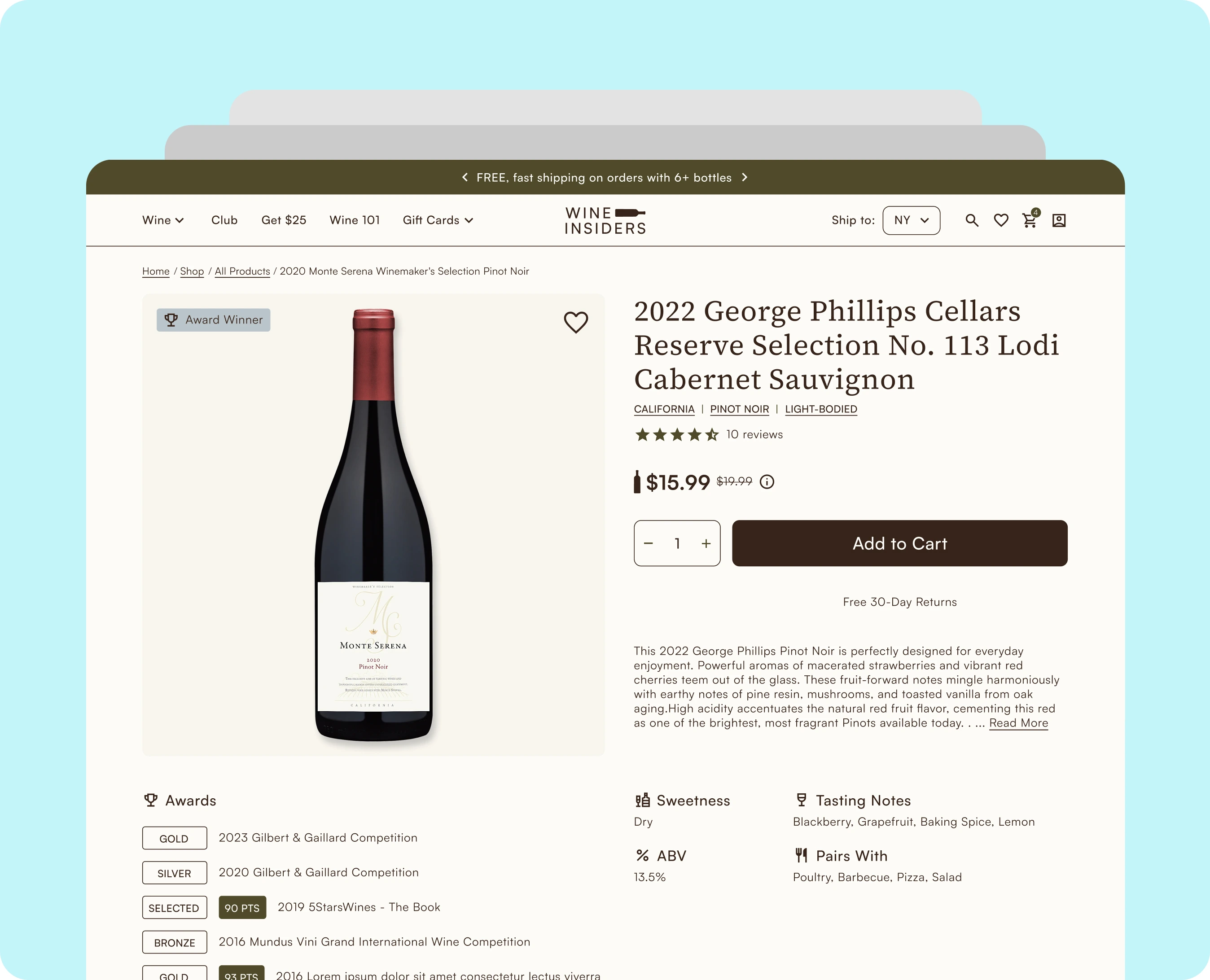
The Problem Isn't Your Traffic. It's Your Product Page.

The Future of Content Management Systems